
Have you ever found yourself more interested in “how the scenes are created” than what’s happening on the screen while watching a movie or a TV show? Do you think you possess the eye of a filmmaker? And if that’s a hobby, dream, or career you want to pursue, what skills do you think you need?
As a cameraman or Director of Photography (DOP), you need to work closely with the director to realize their vision for the film, video, or even each scene. This requires a combination of technical expertise, artistic sense, and effective communication skills with various coordinating departments: director, cameraman, lighting technician, props…
When starting the job, the ability to adapt, observe details, and pay attention to every tiny aspect of the scene is very important. By understanding how camera angles, lighting, and different visual aspects of a scene combine, you will create an emotional state conveyed through your footage.
What skills do you need to become a cameraman?
Technical Skills
Operating a Camera
You should learn how to use different camera systems. There are common features that all cameras must have, and knowing how to adjust the settings appropriately will help you get the best shot. Besides knowledge of the camera, understanding different lenses, sensors, and exposure settings allows you to achieve the desired visual effects.
Beyond the Camera
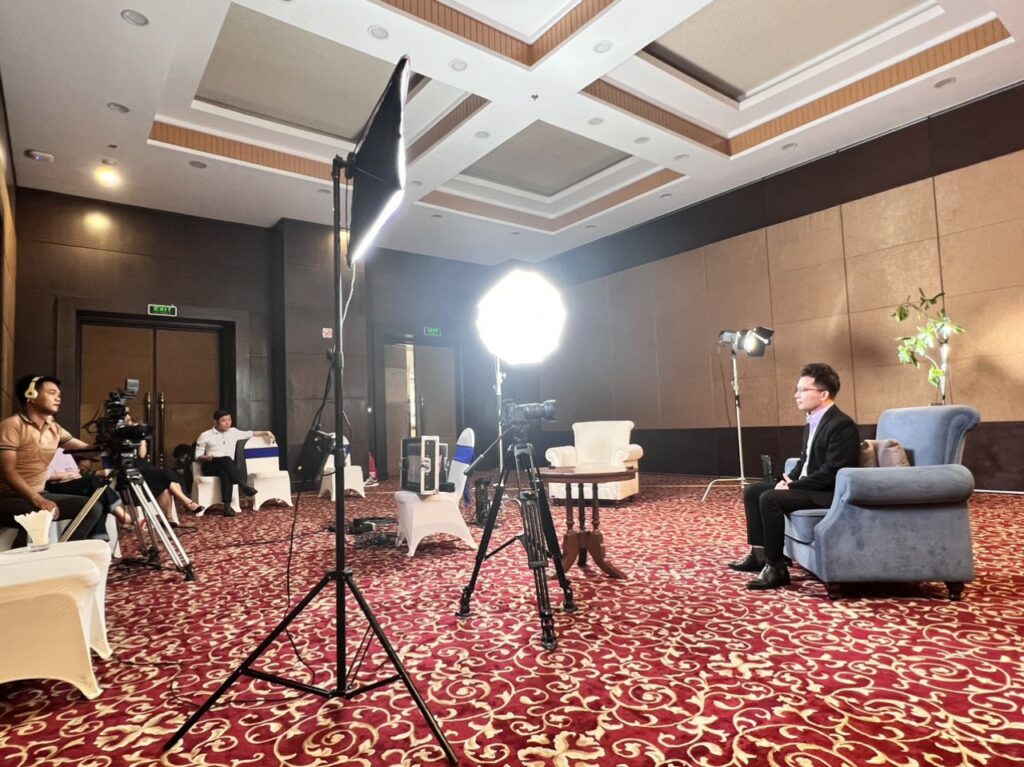
With a camera, you need to observe the lighting, know when to use natural light, and know how to use lighting techniques to create the desired brightness. Controlling light and dark is crucial for a cameraman.
To achieve the desired visual effects in a film, you must also master various camera movements. Choosing the right camera movement can help create specific emotions or convey a particular message to the audience.
For example, a Dolly shot involves moving the camera closer or farther from the subject. This creates a sense of depth and allows the audience to feel the dynamic movement of the scene. Or, Steadicam operation provides smooth and stable shots even when the camera moves quickly. Even handheld techniques can capture the fast pace of action scenes or give the audience a sense of continuously changing angles and directions.
Setting the Scene
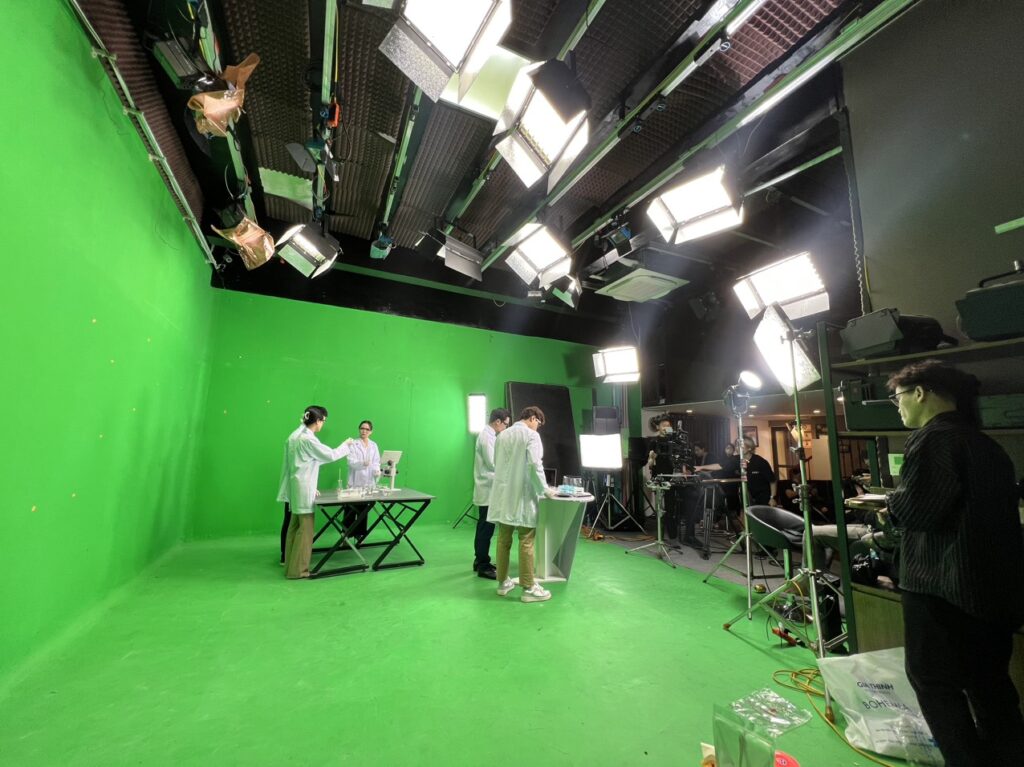
To tell a story effectively, you not only have to capture important moments but also know how to arrange the composition and setting. You need to understand the balance and depth of the image. Knowing how to set up a shot and use the camera to enhance the conveyance of emotions and story is what makes an “emotional” work.
The use of colors, lighting equipment, composition, and other visual elements can convey emotions, tone, and meaning in ways that words cannot. You must develop your artistic eye to assess every aspect of the scene, from framing and lighting to color and texture.
And the way you arrange the shot, the setting, plan, and combine seamlessly with the coordination between departments is always crucial to creating a complete work. And nothing else, the best way to learn those skills is to dive in and do it yourself.


