
Lighting can make or break the quality of a film (video). Even if you’re creating an amateur documentary, you will need to find the right lighting equipment to capture engaging scenes. The angles and positioning of lighting are also crucial to achieving the desired lighting effects. For instance, a tense horror film will require a very different lighting setup compared to a corporate video advertisement.
Why is lighting for video so important?
Lighting helps create the atmosphere for every frame. For example, if you’re producing a commercial video, you need to create a space that feels neutral and professional. Lighting can affect the professionalism and the emotions of the video, whether they are joyful, dull, vintage, or modern…
Lighting helps attract and direct the viewer’s attention to where you want in your video. It can also affect the appearance of the character or subject. Some forms of lighting will make your subject look as intelligent and polished as possible, while others will make them look tense or tired.
What are the main types of lighting in film and video?
- The key light
- Fill lighting
- Backlighting
- Sidelighting
- Bounce lighting
- Practical lighting
- Soft light
- Hard light
- High-key lighting
- Low-key lighting
- Ambient lighting
- Motivated lighting
The key light
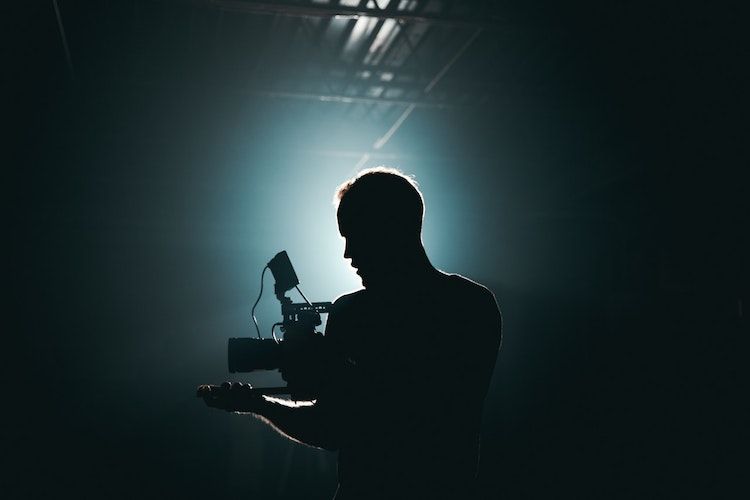
The key light is the strongest light source in your scene and can be moved around to create significantly different effects. For example, placing the key light behind the actor or subject will create a much gloomier and more suspenseful atmosphere than placing it in front of the subject. Here are some top tips for making the most of your key light:
- Set up the key light before setting up any additional lights.
- Avoid placing the key light too close to the camera.
- Use the key light to draw attention to a person or object.
Fill lighting
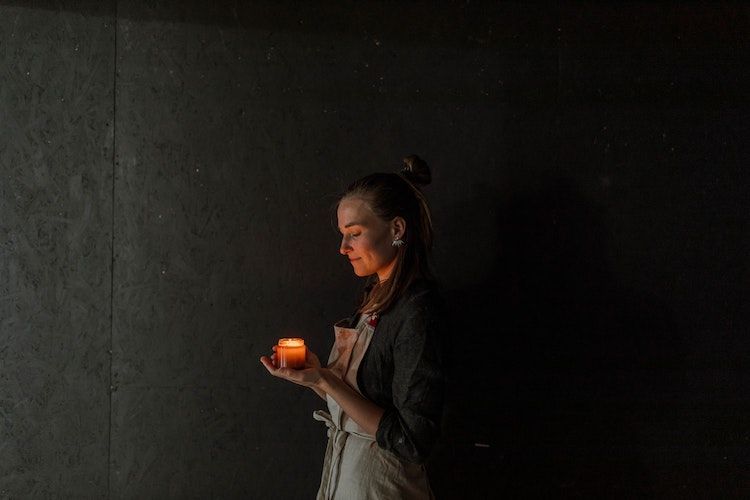
The fill light helps eliminate dark areas in your scene, thus adding more image depth to your video. Fill lights tend to be weaker and softer than key lights, ensuring your scene looks as natural and visually appealing as possible. You can use LED lights to brighten dark areas of the scene, or if limited, you can use reflective boards. Simply place the reflective board about ¾ away from the key light, ensuring that the soft light is evenly diffused. Here are some things to remember when setting up fill lights:
- It’s important to check that the fill light does not create any unexpected shadows. You should experiment with positioning before filming.
- Usually, your scene will look great with just the key and fill lights. Don’t try to add too many lighting components!
- You can use fill lights to increase exposure or reduce contrast.
Backlightning
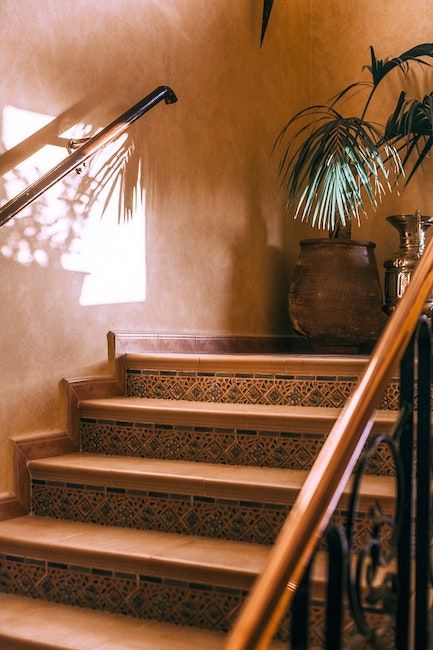
As its name suggests, backlighting illuminates the subject from behind and is often used to enhance the depth and shape of the subject. If your subject looks a bit flat, backlighting can help bring them to life. Generally, you should place backlighting slightly higher than your actor or object.
- You can use sunlight as a backlight. You just need to use foam boards or reflective boards to diffuse the light.
- Backlighting can create unpredictable effects, so be sure to experiment before you start filming.
- Overexposure is a common phenomenon when backlighting. Reduce the brightness if necessary.
Sidelighting
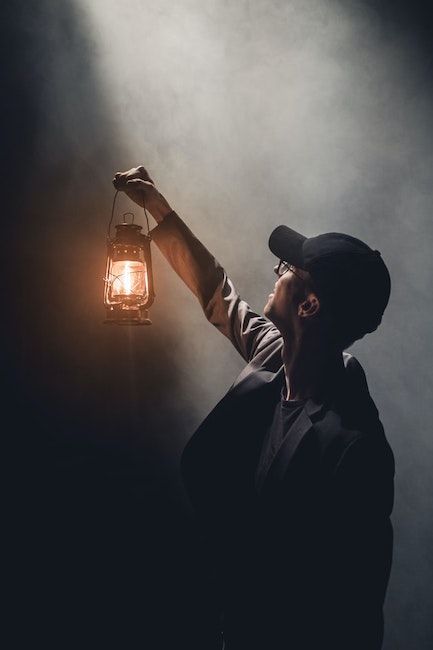
You can use sidelight to highlight the edges of the subject or object and add texture to the scene. While not commonly used, sidelighting is perfect for filming dramatic, sensual, or tense scenes. If you’ve ever watched film noir, you’ll know that creating high-contrast images with sidelighting can create a sense of danger and allure to any scene.
Bounce lighting
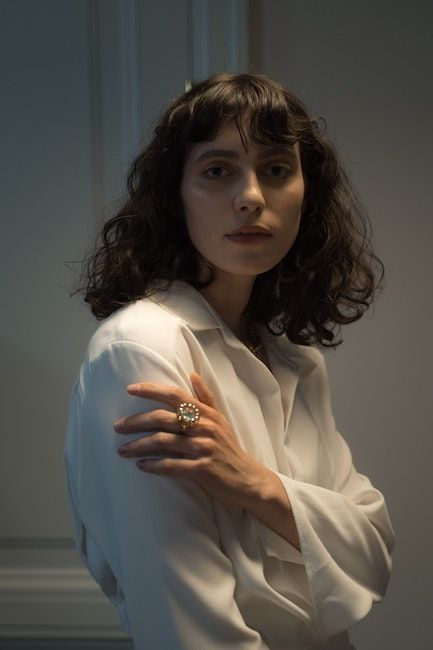
Bounce lighting involves using foam boards, silk panels, walls, ceilings, or reflective surfaces. The surface you choose as a reflector will determine the intensity and quality of your light. For example, a foam board will create something soft and gentle.
Practical lighting
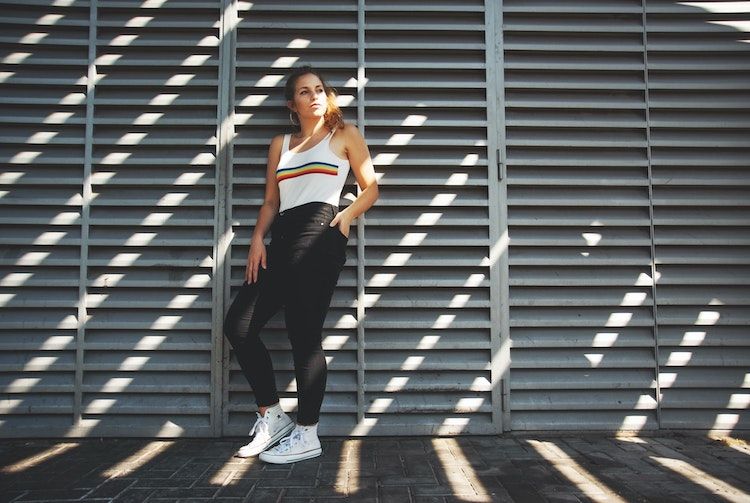
Practical lighting is the visible light in the scene you’re filming, such as TV, candles, flashlights, or household lights. Practical lights can be difficult and unpredictable to use.
- Candles often provide poor lighting. If you want to create an atmosphere with candles, you’ll need to gently illuminate your scene with additional lights.
- Practical lights are useful if you want the subject to change the lighting effect within the scene. Practical lights are perfect for creating a spooky atmosphere.
- Think of the flickering lights used in films like David F. Sandberg’s “Lights Out” or John Krasinski’s “A Quiet Place”!
Next section – 101 Guide to Film and Video Lighting (Part 2)


